Why thoughtful planning matters
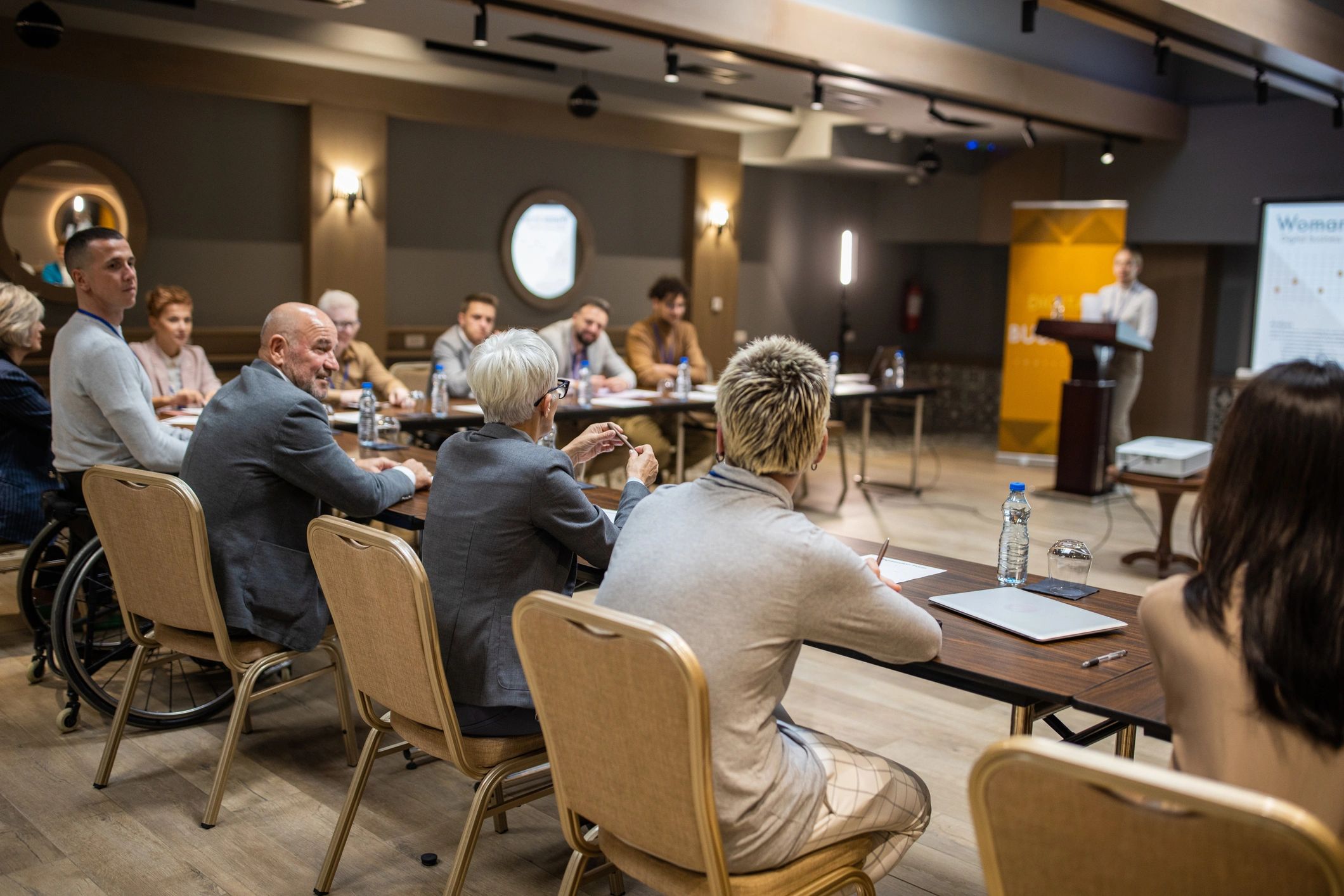
A successful healthcare symposium does more than bring people together. It creates a structured learning environment that supports clinical relevance, strengthens professional engagement, and reflects the standards expected of accredited continuing medical education. For hospitals, physician groups, and healthcare organizations, the planning process is what determines whether an event feels routine or truly meaningful.
At Elevated Healthcare Symposiums, we help organizations design educational experiences that are compliant, polished, and built for impact. Whether you are launching a new event or refining an established program, a strong foundation can improve both attendee outcomes and operational efficiency.
1. Start with clear educational goals
Every effective symposium begins with a clear purpose. Define what your audience needs to learn, which practice gaps should be addressed, and how the program will support better decision-making in clinical settings. When educational goals are specific, it becomes much easier to shape the agenda, identify faculty, and measure success.
2. Build compliance into the process
Accredited programs require more than strong content. They also require careful attention to documentation, independence, disclosure management, and planning workflows. Integrating compliance early helps reduce risk, avoid last-minute complications, and create confidence for both organizers and participants.
3. Design the attendee experience
Educational quality and event experience should work together. Registration, communication, session flow, venue coordination, and on-site support all influence how attendees perceive the value of the symposium. A well-run event allows participants to stay focused on learning instead of logistics.
4. Align content with the right audience
Healthcare audiences are diverse, and the most effective programs are tailored accordingly. Physicians, administrators, care teams, and industry partners may attend the same event for different reasons. Content planning should reflect those differences while maintaining a cohesive educational theme.
- Identify the primary professional audience
- Select topics with current clinical or operational relevance
- Match faculty expertise to session objectives
- Balance educational depth with practical application
5. Plan for long-term program value
A symposium should not be viewed as a one-time event alone. It can also support broader goals such as strengthening organizational reputation, building ongoing educational programs, deepening sponsor relationships, and creating a repeatable framework for future initiatives. Strategic planning helps extend the value of each event well beyond the final session.
The most effective healthcare symposiums combine educational integrity, operational excellence, and a clear vision for audience impact.
How EHS supports healthcare organizations
Elevated Healthcare Symposiums partners with healthcare organizations to develop accredited CME programs, manage event production, and provide the strategic support needed to launch and sustain high-quality symposiums. From curriculum development to ongoing program management, our goal is to make healthcare education more effective, more organized, and more impactful.
If your organization is preparing for an upcoming event or exploring a new educational initiative, thoughtful planning is the best place to begin.